Long Frames, Steady Stroke: Endurance Lessons for Pool
Compartir
Long Frames, Steady Stroke: Endurance Lessons for Pool
The first Shenzhen Open semifinal on October 3 became a test of cue-sport endurance. Yuan Sijun defeated Jimmy Robertson 6-5 to reach his first ranking final after a deciding frame that ended 94-83. Snooker.org recorded 177 total points in that frame, only 18 short of the listed record. TNT Sports described a long, dramatic exchange in which Yuan conceded 41 foul points while escaping a difficult snooker, then recovered to win.
Pool racks are usually shorter than that snooker frame, but league and tournament players face the same mechanical problem: what happens to the stroke when a match takes longer than expected?
Endurance is not only the ability to stand at the table for hours. It is the ability to preserve grip pressure, bridge stability, alignment, and decision quality after repeated safety exchanges, missed opportunities, and long waits in the chair.
Recognize Form Drift Before It Becomes a Miss
Fatigue rarely announces itself with one dramatic change. It often appears as small movement away from the player's normal delivery.
Common signs include:
- The grip tightening during the final stroke.
- The bridge becoming shorter without a tactical reason.
- The head rising before contact.
- Practice strokes becoming faster or fewer.
- The back hand moving away from its normal address position.
- Standing up quickly after a miss or safety.
Use Mechanical Language
“I am losing focus” is difficult to act on. “My grip is tighter and my final stroke is faster” points to a specific reset.
During practice, learn two or three personal warning signs. They become useful during competition because they can be checked without rebuilding the entire technique mid-match.
Protect Four Stroke Anchors
When the match becomes long, simplify. Do not attempt to monitor every body part. Protect a small set of anchors that support your normal delivery.
1. Grip Pressure
Hold the cue firmly enough to control it but without squeezing through impact. Excess tension can reduce the natural movement of the cue and make speed control less predictable.
Check the grip at address, not during the final stroke. If it feels tighter than normal, stand up and restart rather than trying to relax while already committed to the shot.
2. Bridge Length
Use the bridge length suited to the shot. Under pressure or fatigue, some players move the bridge closer to the cue ball because it feels safer. That change can shorten the delivery and alter timing.
3. Head and Chest Position
Keep the visual position stable until the cue ball is on its way. Rising early often appears when a player is eager to see the result after a long tactical exchange.
Use a balanced stance that can be held without strain. A position that looks low and dramatic but feels difficult to maintain is not an endurance advantage.
4. Finish Length
Let the cue complete the intended delivery. Tired players sometimes jab at soft shots or force a long follow-through on power shots. Both are changes from the calibrated stroke.
Choose the stroke length before the final delivery, then allow it to finish without adding a last-second burst.
Separate Observation, Decision, and Execution
Long safety exchanges create many trips to the table. Players can begin making decisions while still walking, then continue changing the plan while down on the shot.
Use three distinct phases:
- Observe the full table and confirm the score or game situation.
- Choose the objective, route, speed, and acceptable miss.
- Enter the stance and execute the selected shot.
If new information appears after you get down, stand up. Restarting costs a few seconds; striking with an unresolved plan can cost the rack.
Decide What a Successful Safety Means
A safety is not successful only when it creates a perfect snooker. It may succeed by increasing distance, hiding part of the object ball, leaving the cue ball on a cushion, or removing an aggressive reply.
Define the main objective before shooting. This prevents a player from adding unnecessary spin or speed in pursuit of every possible benefit at once.
Use the Chair as a Reset, Not a Waiting Room
When the opponent is at the table, watch enough to understand the developing layout. Avoid rehearsing the previous miss repeatedly.
Use a simple reset:
- Release the cue grip.
- Let the shoulders settle.
- Take normal breaths rather than exaggerated ones.
- Note the score, remaining balls, and likely next situation.
- Return attention to the table.
Practice a Long-Rack Simulation
Standard drills often end after a few shots. Add one session each week that tests whether mechanics remain recognizable over time.
Set Up the Session
Choose three ordinary skills: a stop shot, a one-rail position shot, and a safety that sends the cue ball to distance. Establish a measurable target for each.
Cycle through the three shots for 30 minutes. Do not chase maximum difficulty. The challenge is maintaining the same setup and delivery while the repetitions accumulate.
Add Realistic Waiting Time
After every third cycle, sit for two minutes. Then return and shoot the stop shot first. This tests whether you can recover your reference stroke after a pause, which is common in match play.
Record the first ten minutes, middle ten minutes, and final ten minutes separately. If accuracy or speed control falls late, review which mechanical anchor changed.
Finish With a Safety Exchange
With a practice partner, play a five-minute safety-only sequence. Pocketing is not the objective. Score one point for reaching the declared cue-ball zone and one point for achieving the intended object-ball result.
Check Whether the Cue Supports a Sustainable Stroke
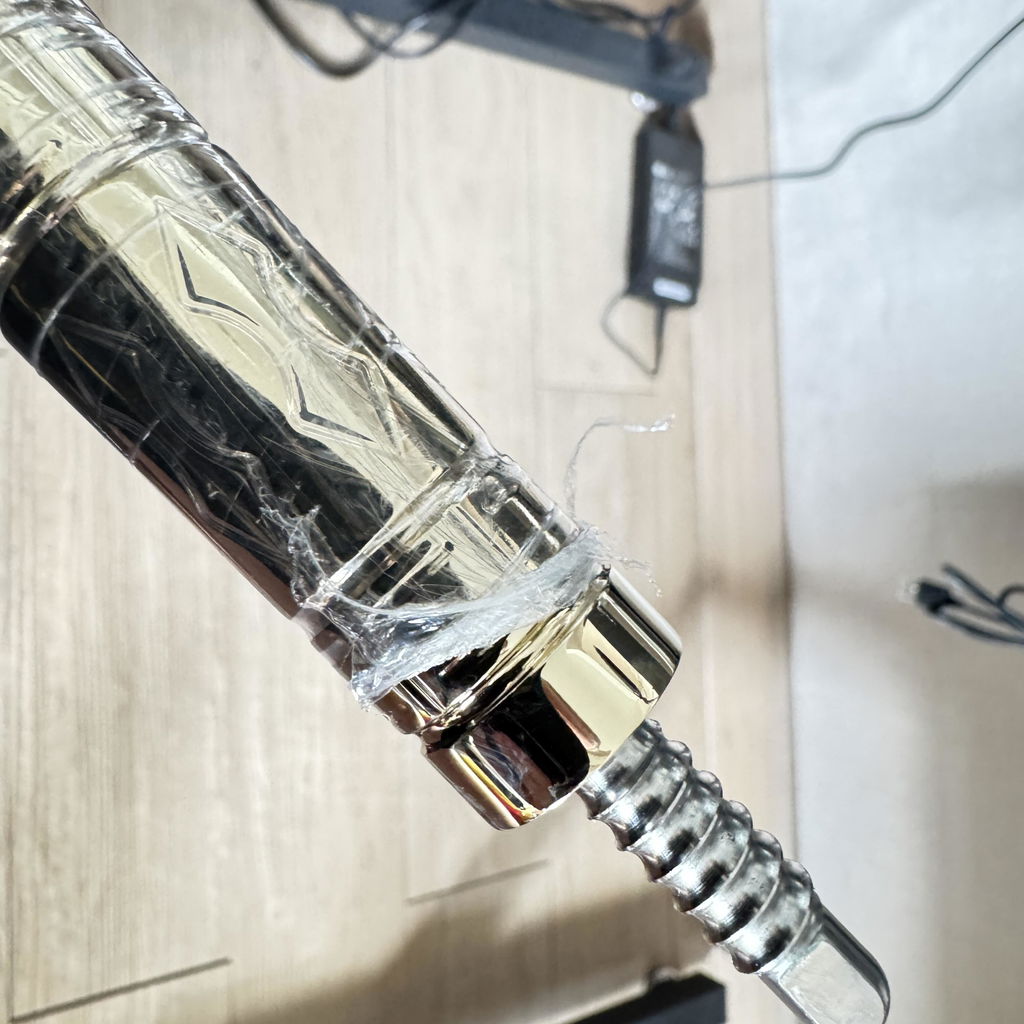
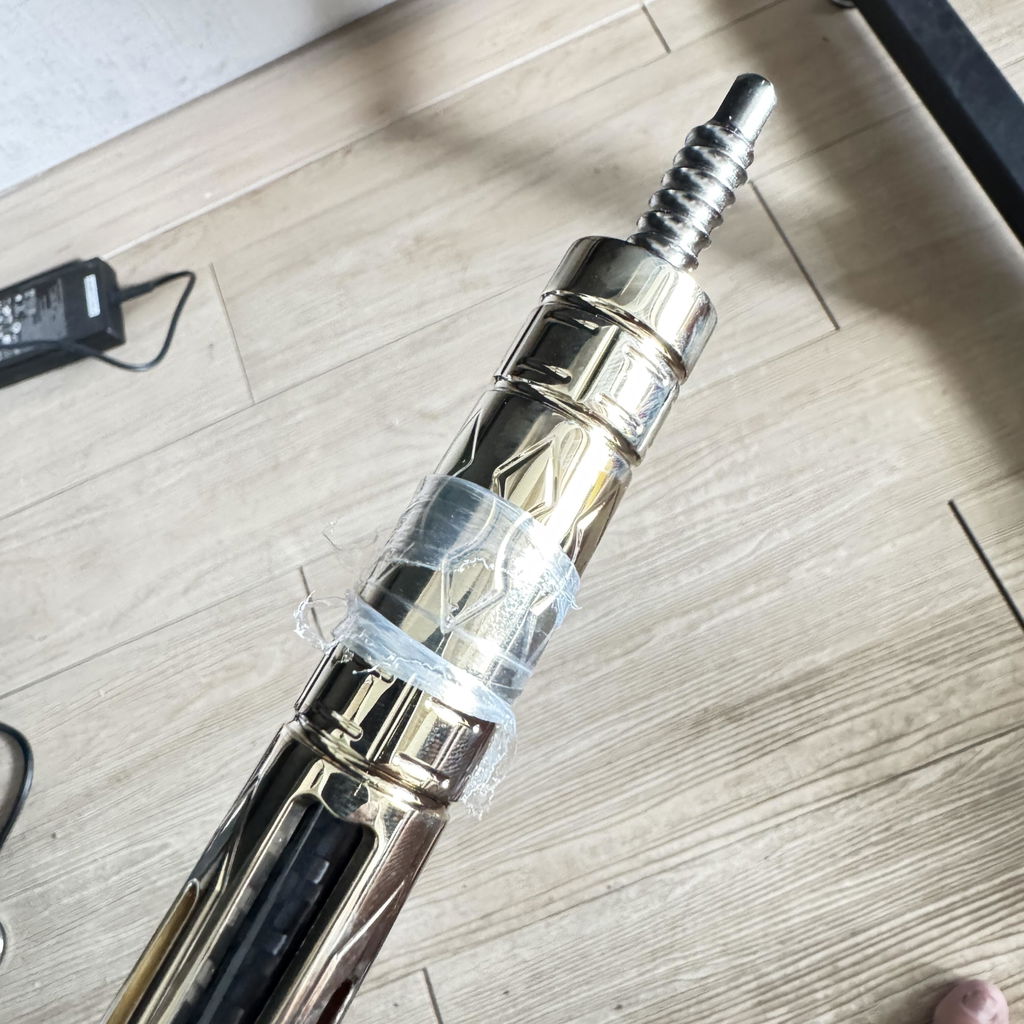
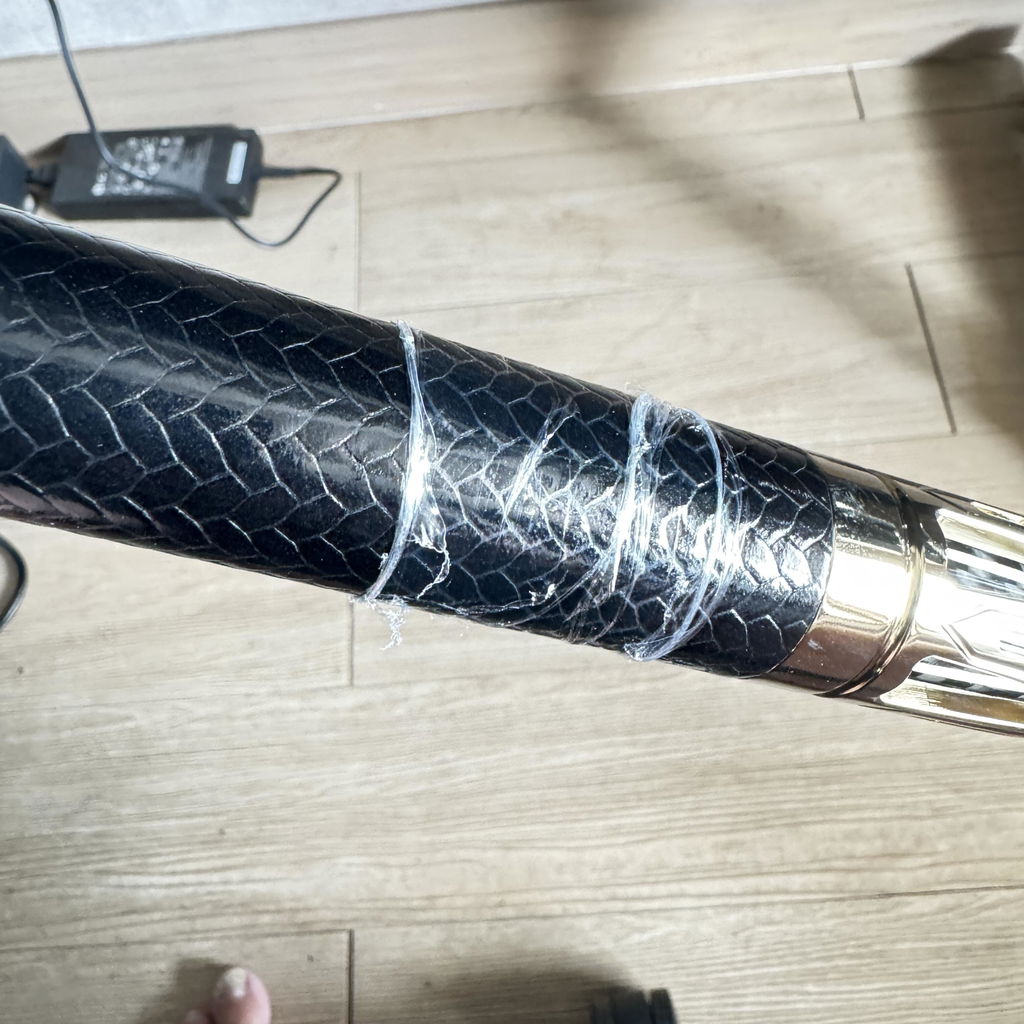
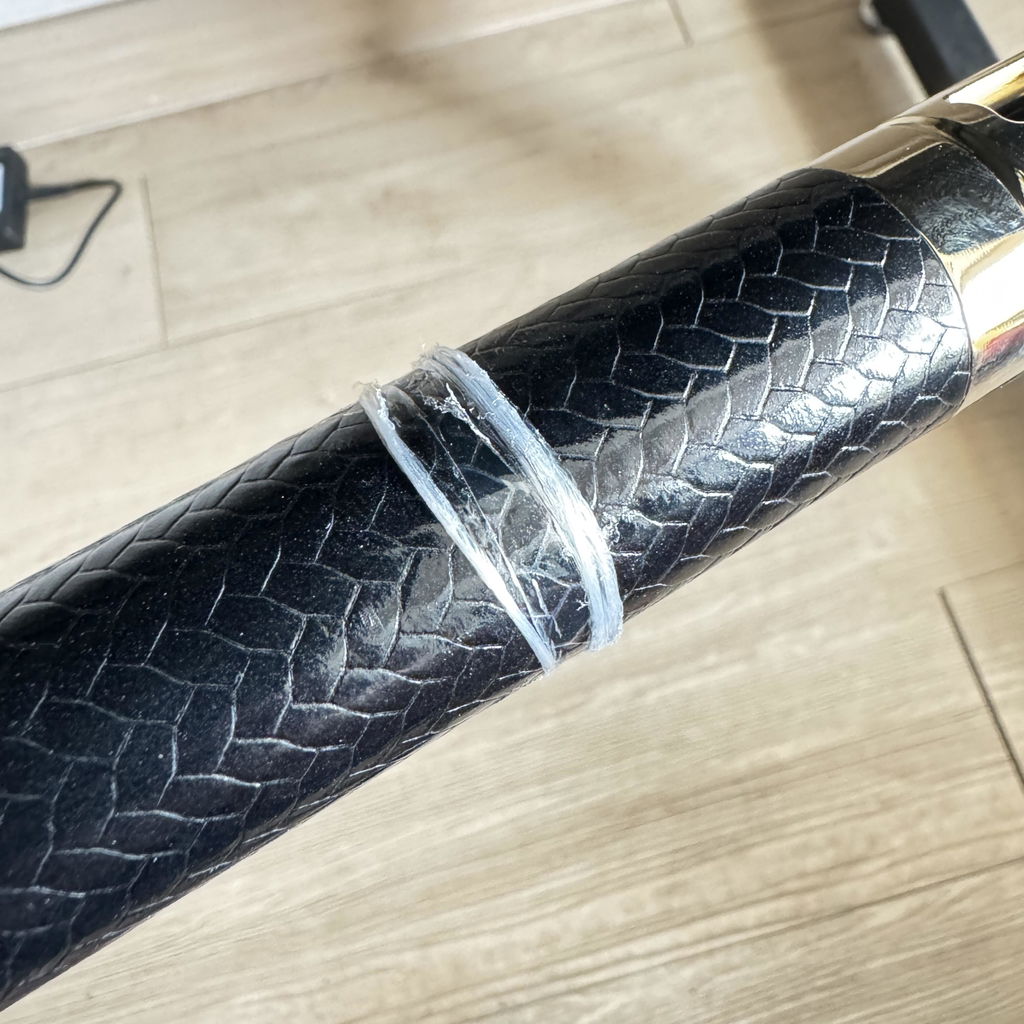
Cue fit matters over a long session because balance, total weight, butt dimensions, shaft taper, tip, and joint all affect how the complete cue feels. A setup that seems exciting for five power shots may feel less natural after two hours.
Evaluate equipment with repeated match-speed shots, not only maximum spin. Notice whether the cue encourages extra grip pressure, whether the shaft moves comfortably through the bridge, and whether balance remains familiar late in the session.
Maple and carbon fiber shafts can both support high-level play. Carbon fiber is often selected for construction consistency and practical maintenance, but it cannot prevent fatigue or guarantee a stable stroke. Familiarity, technique, physical conditioning, and sensible match habits remain essential.
Make Endurance Measurable
After a long match or practice session, record three items:
- The first mechanical anchor that changed.
- The situation in which it changed, such as after sitting or during repeated safeties.
- One adjustment to test next time.
Yuan and Robertson's marathon deciding frame was an extreme professional example, not a template ordinary players need to recreate. Its lesson is simpler: long contests expose whether a player's process can survive delay, uncertainty, and repeated resets.
Build endurance by protecting a few mechanical anchors, separating decisions from execution, and practicing the return to the table after a pause. The goal is not to feel fresh forever. It is to keep the stroke recognizable when the match becomes longer than planned.
For cues and carbon fiber shaft options that can be matched to your preferred balance, taper, joint, and long-session feedback, explore the Transk collection.
Sources
- TNT Sports, Shenzhen Open semifinal live report, updated October 3, 2026.
- Snooker.org, Shenzhen Open 2026 draw, frame scores, and results.
- SnookerHQ, “2026 Shenzhen Open final: Wu Yize vs Yuan Sijun,” October 4, 2026.