Set-Play Reset Lessons From the Women's World 9-Ball
Delen
Set-Play Reset Lessons From the Women's World 9-Ball
Rita Chou Chieh-yu won her second Women's World 9-Ball Championship in Bali on October 4, defeating defending champion Seo Seoa three sets to one. Focus Taiwan reported the set scores as 4-1, 1-4, 4-1, and 4-1. After the players split the first two sets, Chou recovered from a scratch on the break in the third and from losing the opening rack of the fourth. She then won four straight racks to close the match.
The result offers a practical lesson beyond the trophy: set play rewards players who can start again without starting from zero mentally. The scoreboard resets, but the information collected about the table, break, speed, and opponent remains useful.
Why Set Play Changes the Match
A long race gives a player time to absorb an early mistake. A short set compresses that process. One dry break, safety error, or rushed position can represent a large share of the available racks.
That does not mean every shot should become defensive. It means the player needs a clear reset between sets and a faster way to identify what matters.
Reset the Score, Keep the Evidence
When a set ends, separate the emotional result from the technical information. The score goes back to zero. Useful evidence does not.
Ask three questions:
- Where has the cue ball been finishing on the break?
- Is table speed changing the length of position routes or safeties?
- Which decision created the best percentage of controllable outcomes?
These questions are more useful than deciding that the previous set was “good” or “bad.” They produce an adjustment that can be tested immediately.
Do Not Chase Momentum
Momentum describes what has happened; it does not select the next shot. After losing a set, some players force an attacking opening to prove that the match has changed. After winning, others become cautious because they want to protect the lead.
Use the same shot-selection standards at 0-0 that you use in the middle of a set. Evaluate pocketing percentage, cue-ball route, miss cost, and safety value. A new set is a clean score, not permission to abandon sound decisions.
Build a 60-Second Set Reset
A reset must be short enough to use in competition. Build a sequence that fits within normal match conditions and does not depend on a long break.
1. Release Physical Tension
Open the grip hand, let the shoulders settle, and take one normal breath. The goal is not to create a dramatic relaxation ritual. It is to prevent the last set's tension from appearing in the next set's first stroke.
2. Name One Technical Observation
Choose one fact you can see or measure. Examples include “the cue ball is crossing the center line after the break” or “soft speed is running farther than expected.” Avoid stacking several corrections together.
3. Choose One Decision Priority
The priority might be controlling the cue ball on the break, leaving a larger position window, or accepting a safety instead of a low-percentage shot. Keep it specific and temporary. Reassess after two racks rather than treating it as a permanent match plan.
4. Reconfirm the First-Shot Routine
Use a familiar visual check, bridge placement, and final-stroke tempo. The first shot of a new set should reconnect the player with a known process. It should not become a test of whether a newly invented technique works under pressure.
Treat the First Two Racks as a Calibration Window
In a race to four, the opening racks matter, but panic makes them more expensive. Use the first two racks to confirm current conditions while still competing for every opportunity.
Read the Break Before Changing It
Record the cue-ball path, the position of the wing balls, and whether the rack opened evenly. One unusual result is not enough evidence for a major change. If the same pattern repeats, adjust one variable such as speed, contact point, or break position.
Changing all three at once makes the result difficult to interpret. A successful break may not reveal which adjustment worked, and an unsuccessful one gives no clear direction for the next attempt.
Protect Simple Position Routes
Short sets can tempt players to manufacture perfect angles. Prefer routes with larger landing zones when they still support the run. Center-ball and one-tip solutions are often easier to repeat than maximum-spin routes, especially at the beginning of a set.
This is not a rule against spin. It is a reminder to earn complexity. Add side spin when the pattern requires it, not because the new set feels like a moment to make something happen.
Practice in Four-Rack Sets
Traditional drills count successful shots. Set-play training should also test how quickly the player can reset after a result.
Drill 1: Four-Rack Match Blocks
Play four racks against a partner or a structured ghost. Record the score, then take a one-minute reset before beginning another four-rack block. Complete four sets.
After each set, write only three notes: break result, most common position miss, and one decision to carry forward. This limits analysis and forces prioritization.
Drill 2: Start From 0-1
Begin a four-rack block one rack behind. The purpose is to practice normal decision-making when the score creates urgency. Track whether you attack lower-percentage shots earlier than usual.
Repeat the block from 1-0 ahead. Compare whether protecting a lead makes your stroke shorter or your safety choices too passive.
Drill 3: Reset After an Error
Place a common transition shot and shoot it once. If you miss, do not repeat it immediately. Sit for 30 seconds, complete the reset sequence, and play a different routine shot first. Then return to the original layout.
This trains the ability to recover performance without chasing instant correction. Competition rarely offers unlimited repetitions of the same miss.
Keep Equipment Feedback Stable
Set-play adjustments should focus on the table and the decision, not on repeatedly questioning the cue. A familiar playing cue gives the player a stable reference for speed, deflection, bridge feel, and balance.
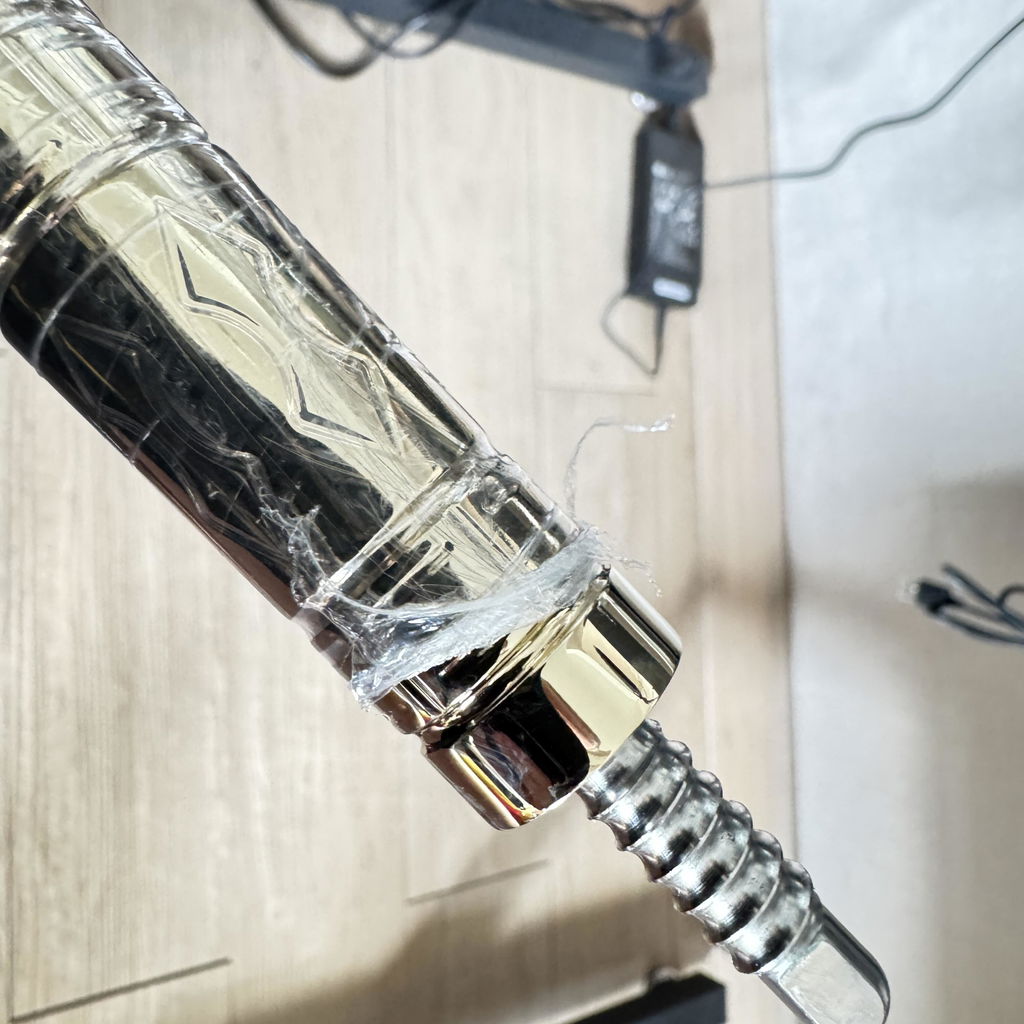
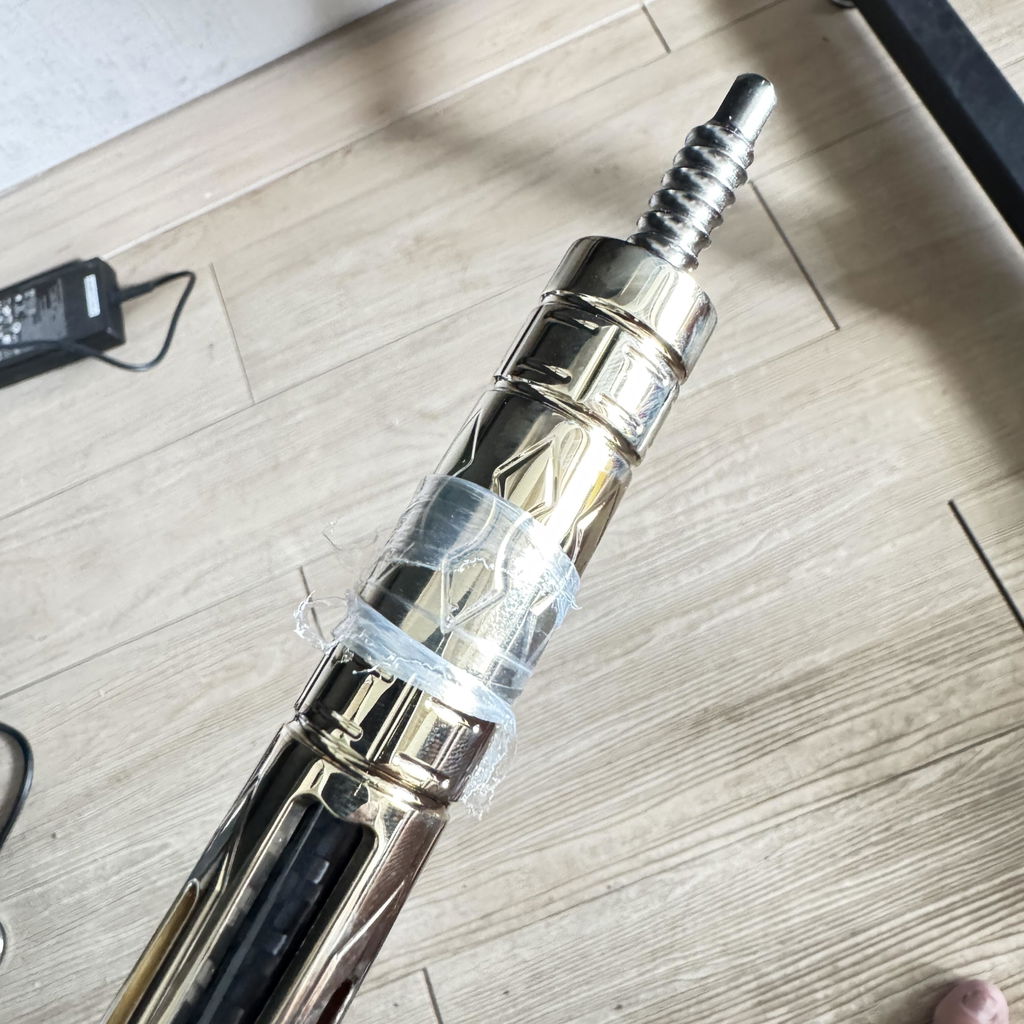
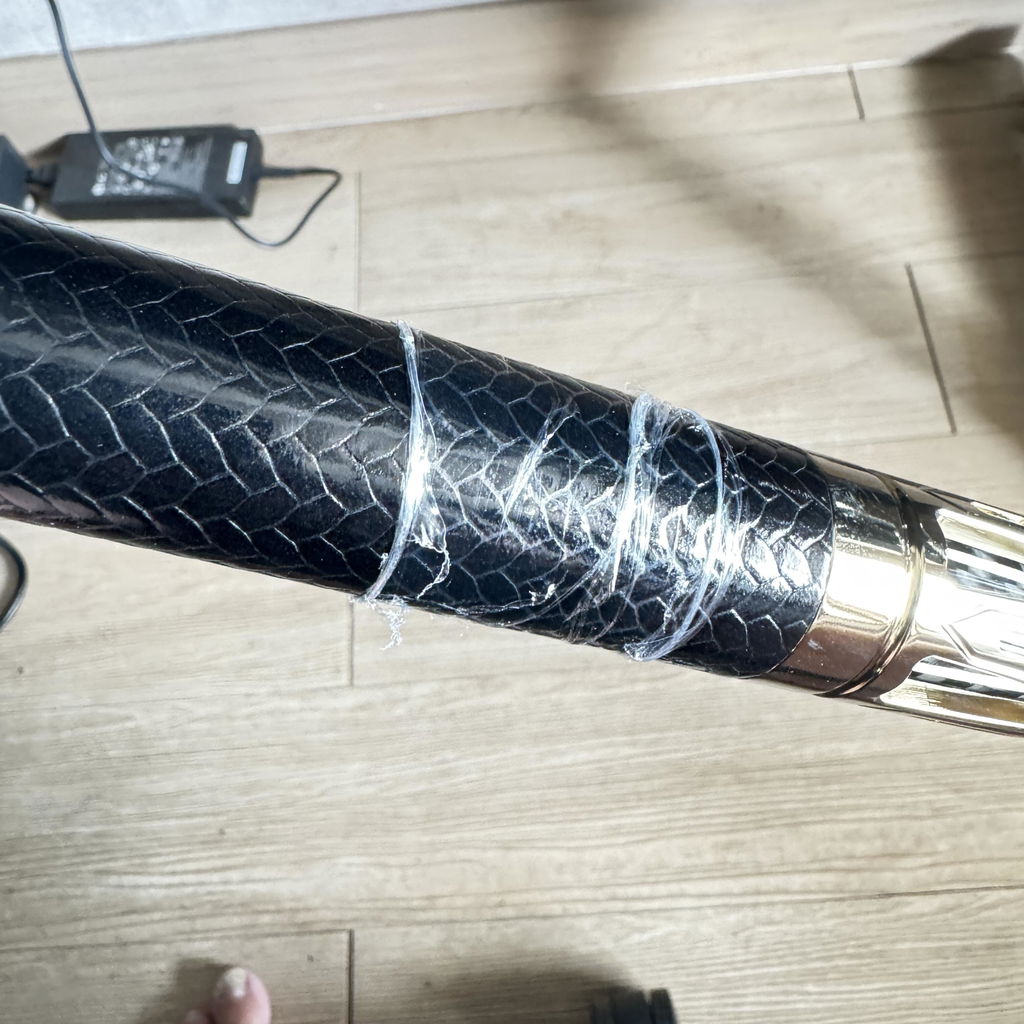
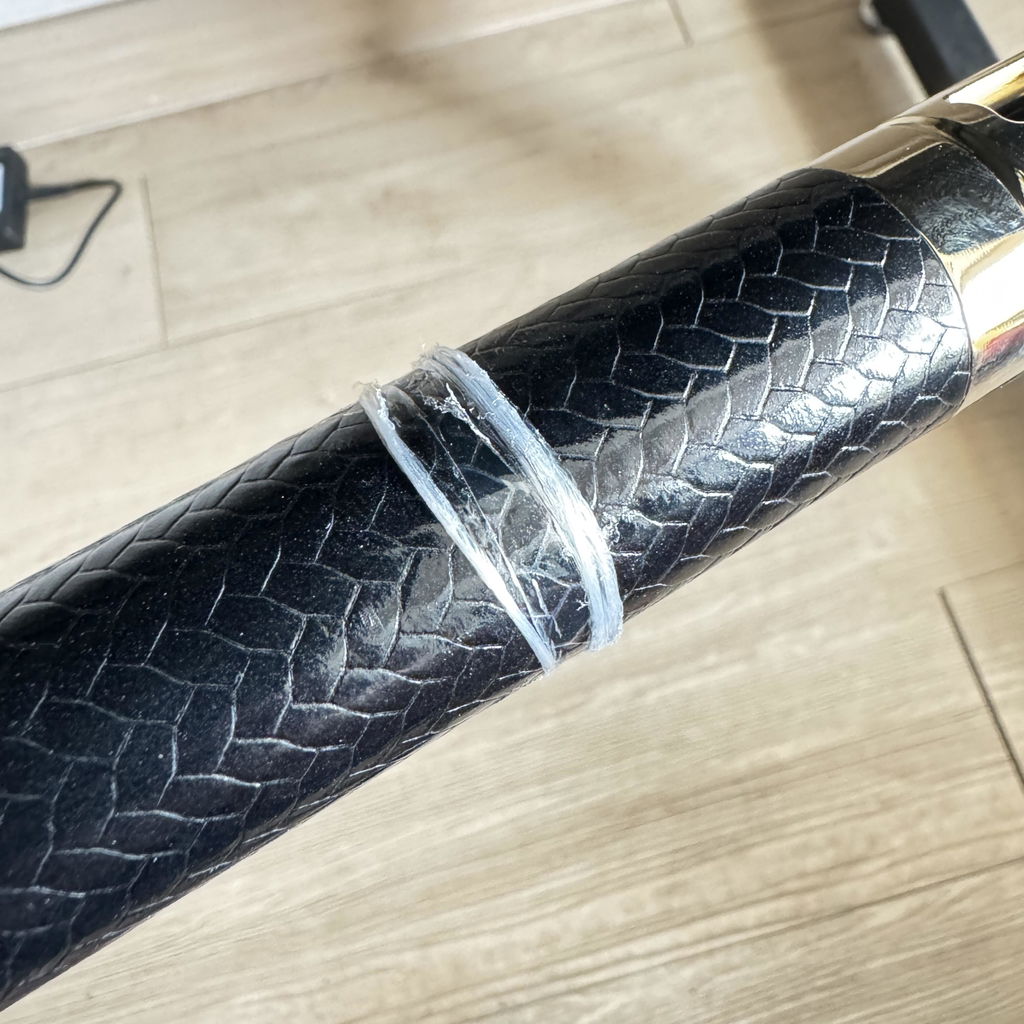
When comparing maple and carbon fiber shafts, test both across multiple short sets rather than a handful of highlight shots. Note whether speed control and delivery remain familiar after a break, a missed rack, and a restart. Carbon fiber construction may appeal to players seeking consistent construction and practical care, but it does not create a mental reset or guarantee results.
Keep tip condition, joint fit, cue weight, and shaft cleanliness consistent during the test. Change one equipment variable at a time. Otherwise, normal variation in break quality or table conditions can be mistaken for a cue difference.
Use a Match-Day Set Checklist
Before the event, write a compact checklist:
- Reset the score, retain the evidence.
- Check grip and shoulders before the first shot.
- Observe two breaks before making a major change.
- Adjust one variable at a time.
- Use normal shot-selection standards at 0-0.
- Review the set only after it ends.
Chou's final showed how quickly a set-play match can turn. A lost second set did not define the third, a break scratch did not end it, and falling behind in the fourth did not require an overhaul. The useful model for everyday players is not to imitate a champion's exact shots. It is to practice beginning again with better information.
For playing cues and carbon fiber shaft options you can evaluate across repeated match-speed sets, explore the Transk collection.
Sources
- Focus Taiwan, “Taiwan's Chou wins second women's 9-ball world title,” October 5, 2026.
- Billiards Days, Women's World 9-Ball Championship final report, October 4, 2026.
- World Pool Association, 2026 Kamui WPA Women's 9-Ball World Championship event page.
- CueScore, official tournament results page.